
All about watches: history, evolution, and current guide
The origin: why humans began to measure time

The First “Clock”: Sunlight
Before we even imagined an instrument, our own bodies already reacted to sunlight. But soon, our ancestors became cleverer and learned to observe the shadows cast by objects throughout the day. And thus, rudimentary sundials were born! Probably in cultures as advanced as the Egyptian, who more than 3,500 years ago already used obelisks and marks on the ground to estimate the time.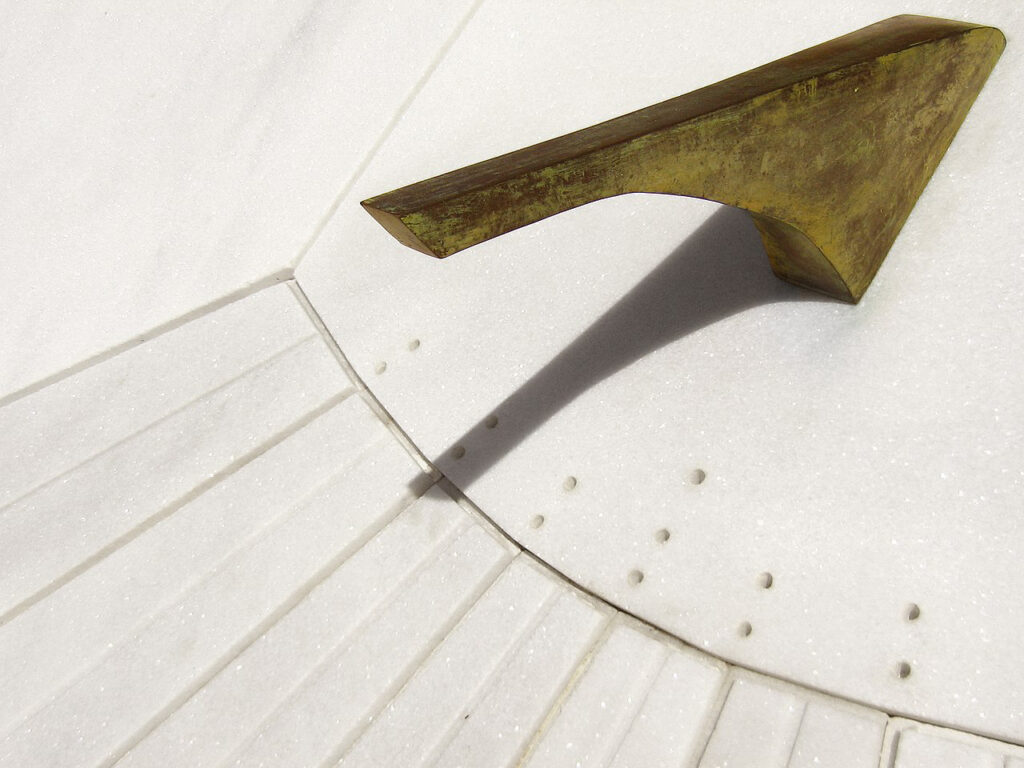
Time Flows: Water and Sand Clocks
As time passed (and never better said), the need for precision led us to invent more ingenious methods. Clepsydras (or water clocks) were a hit in Egypt, Greece, China, and the Islamic world. Their magic? They allowed for measuring constant intervals without depending on the capricious sun. Shortly after, sand clocks arrived, even more practical and easier to transport. Both systems not only served to tell time, but were also used to control work shifts, the duration of religious rituals, or even the length of public speeches! Because yes, even back then, endless parliamentary sessions had to be controlled.Astronomía y tiempo: un vínculo sagrado

From observation to control: when measuring time changed the world
This change marked a before and after in the history of humanity.As our societies became more and more complex, the need for organization and coordination skyrocketed. It was no longer enough to look at the sun or the lunar phases; it was necessary to set schedules, establish routines, and create clear cycles to govern entire cities, distribute tasks, and coordinate communities.
Time became a tool for social management.
This process not only transformed how we lived, but also how we thought. Today, it’s unthinkable to conceive life without schedules, appointments, reminders, or calendars, right?Cities, laws and public clocks
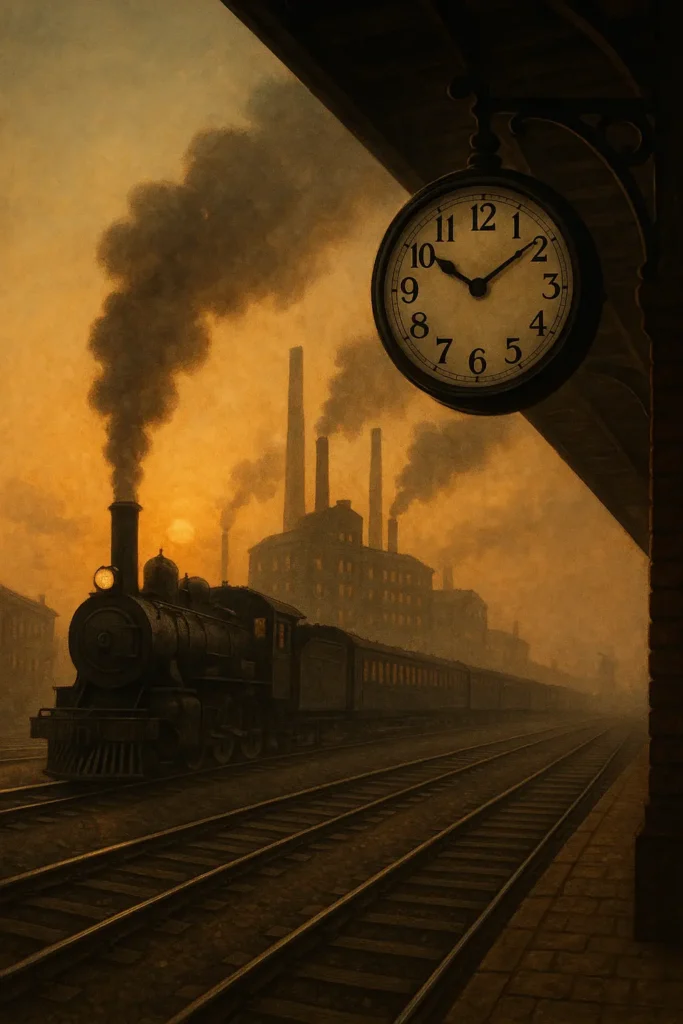
Industrial Revolution: Time as Currency
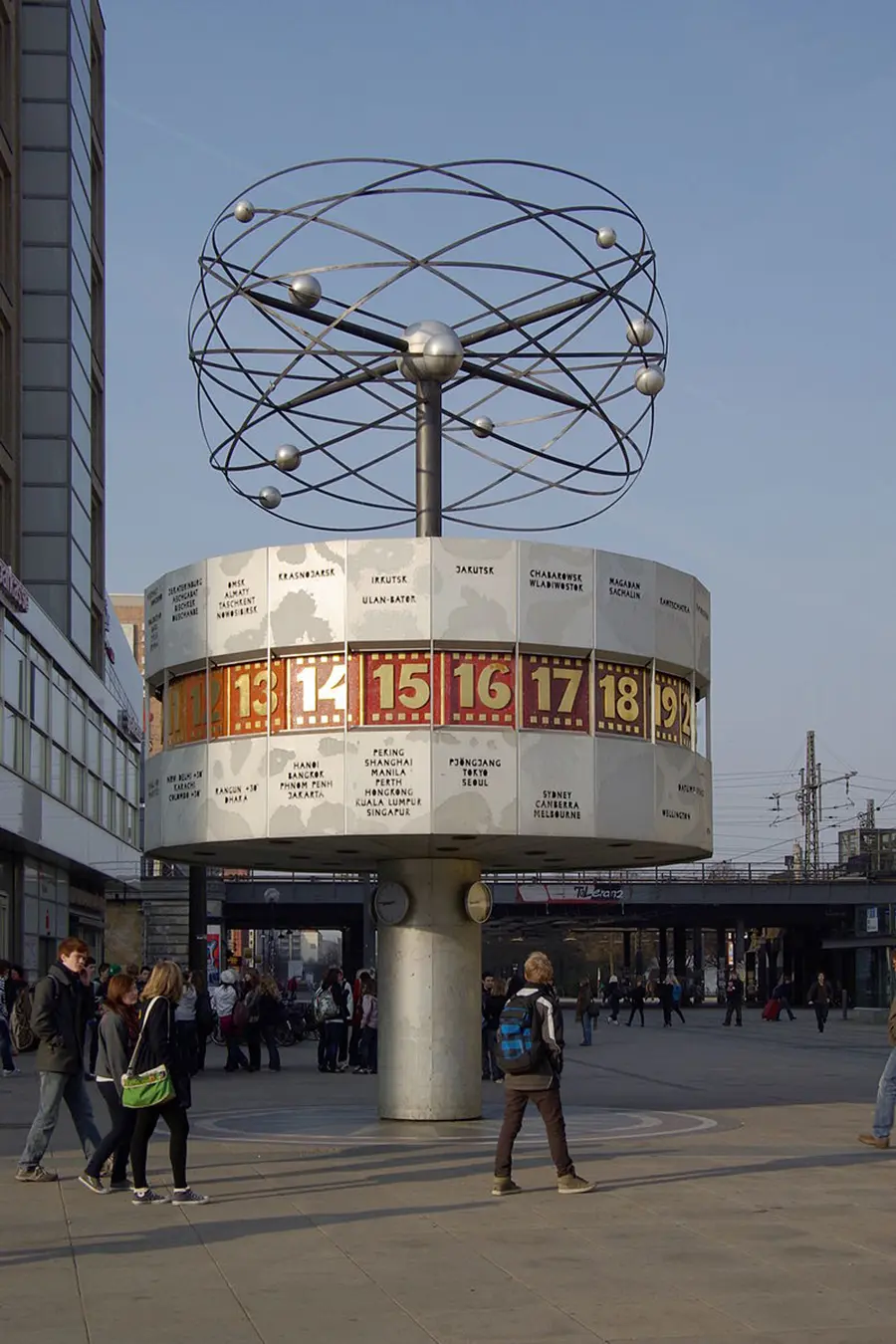
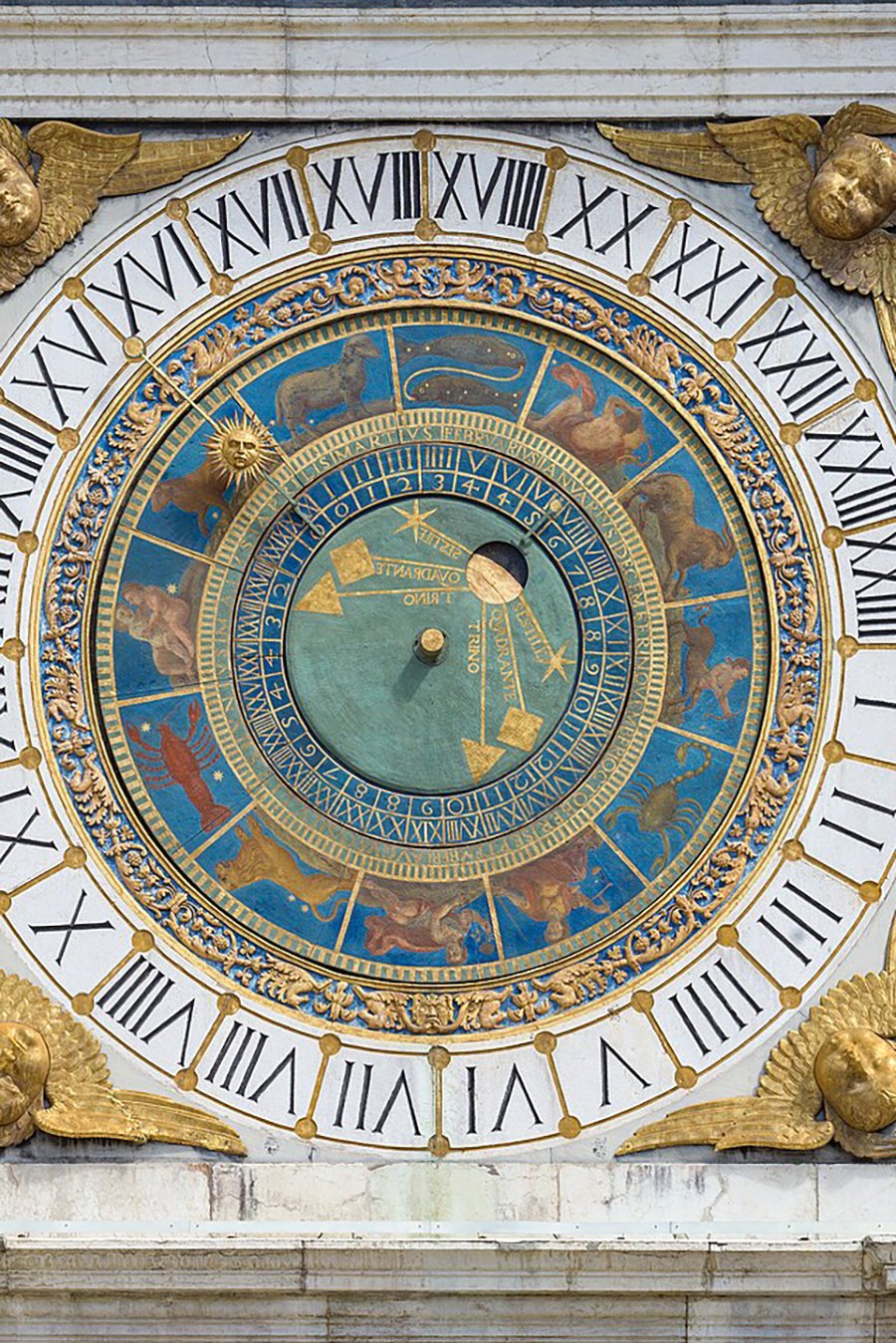
Clock of the Torre Dell’Orologio in Loggia Square
Man is the animal who measures his time: Antonio Machado
The Types of Watches That Marked Eras, Styles, and Ways of Life.
What follows is a fascinating journey through the different types of watches that human beings have invented so as not to get lost in time. Get ready, because each one has its own history, its moment of glory, and an enduring legacy.
Wristwatches
Did you know that at first they were almost a feminine whim? Well, yes. But the First World War changed everything: soldiers adopted them for their practicality and they became popular among men at breakneck speed. Today, you have analog (with hands that give a classic touch), digital (with their perfect numbers), or hybrid, which mix the best of both worlds. And, of course, many come with extras like calendars or chronometers.
Chronograph
If you like sports or action, this is your type of watch. A chronograph is a watch that includes a function to measure short times with precision. Watch out! It is often confused with the chronometer, but they are not the same. The chronograph is your ally for calculating speeds, measuring pulse, or anything that needs a “start” and a “stop.” They usually have those additional dials on the face that record the seconds, minutes, and hours you are timing.
Chronometer
This is the “top-notch” of precision. A chronometer is a highly accurate watch that has passed rigorous tests and has been officially certified (for example, by COSC in Switzerland). Imagine: weeks of demanding tests under different conditions to ensure its impeccable accuracy. Only watches that meet these standards can proudly bear the “chronometer” label.
Tower and Bell Tower Clocks
Before everyone carried time on their wrist, cities depended on these majestic constructions. They were the “community clocks,” installed in towers and bell towers, which marked the hour with bell chimes audible from afar. Some, like the iconic Big Ben in London or the Puerta del Sol clock in Madrid, have become authentic historical monuments.
Parlor Clocks
From the 16th century, clocks ceased to be merely functional to become decorative works of art. They were true jewels that formed part of the decor of the most elegant homes. With sophisticated shapes, ornamental details, and incredible craftsmanship, some of these antique specimens are preserved today in museums around the world, such as the Louvre or in Vienna, as a testament to an era.
Pocket Watches
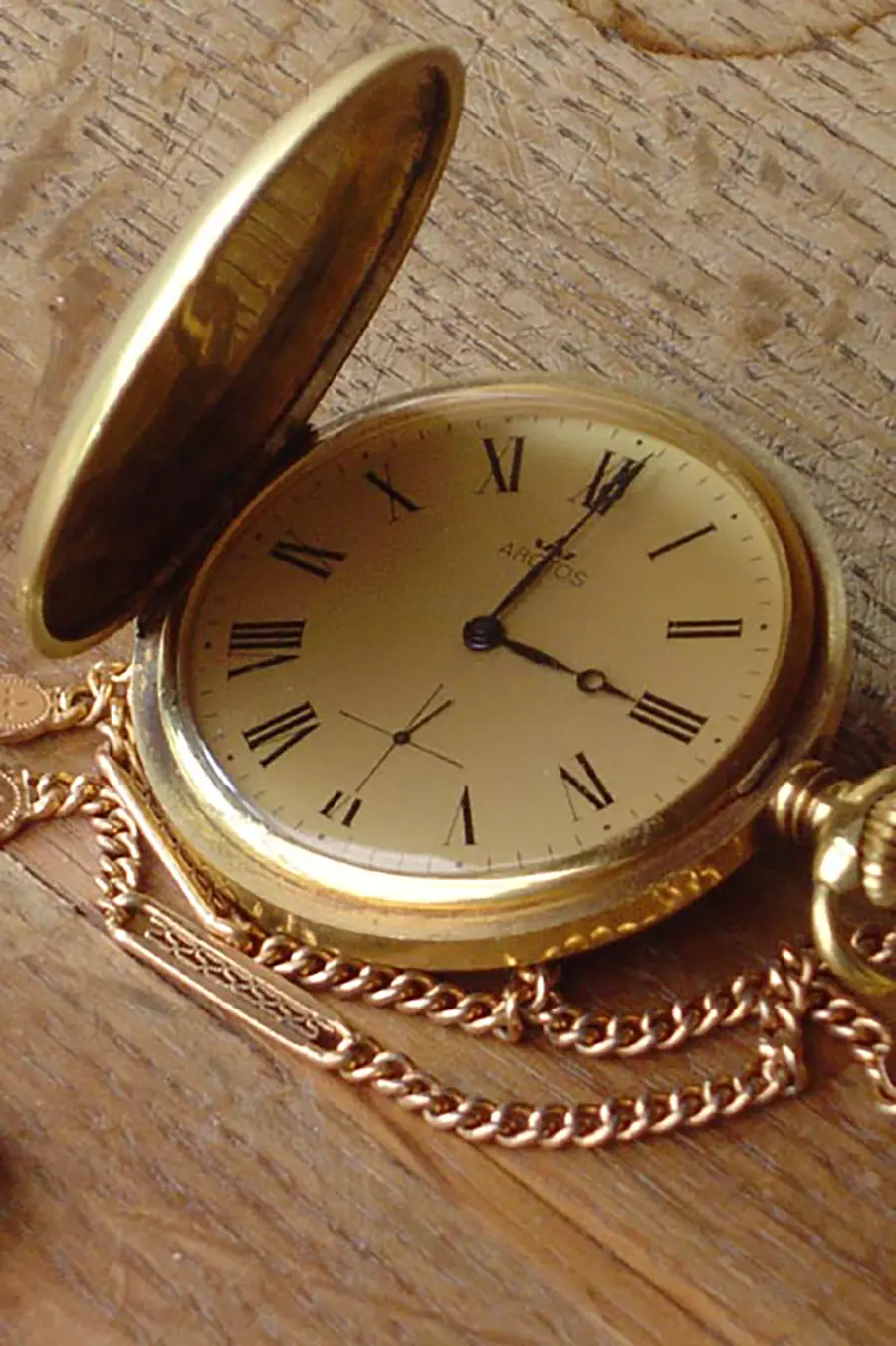
They emerged in France in the 15th century and became the cool accessory of the era throughout Europe. Their form evolved from somewhat plump models to the famous “Nuremberg eggs”. They were the true precursors of the modern portable watch, reigning especially during the 17th and 18th centuries. A symbol of status and personal precision.
Atomic Clocks
Get ready, because these are the most precise clocks on the planet. They use the vibration of atoms (yes, of atoms, like cesium) to measure time with astonishing precision, up to a billionth of a second! Thanks to them, International Atomic Time (TAI) is maintained, which is the basis for Coordinated Universal Time (UTC) that we use every day on our mobile phones and computers. They are the Guardians of Time with capital letters.
Image credits
- Historical image: By Isabelle Grosjean ZA – Own work published by ZA, under CC BY-SA 3.0 license.
- Clock in Petra: By Berthold Werner – Own work, under CC BY-SA 3.0 license.
- Image by Wolfgang Moroder: By Wolfgang Moroder – Own work, under CC BY-SA 3.0 license. Permitted for use with attribution to the author. Not authorized for social media. Consult any modifications directly with the author according to their terms of use.
- Other images generated by artificial intelligence with ChatGPT assistance for the exclusive use of Joyería Pato.


